
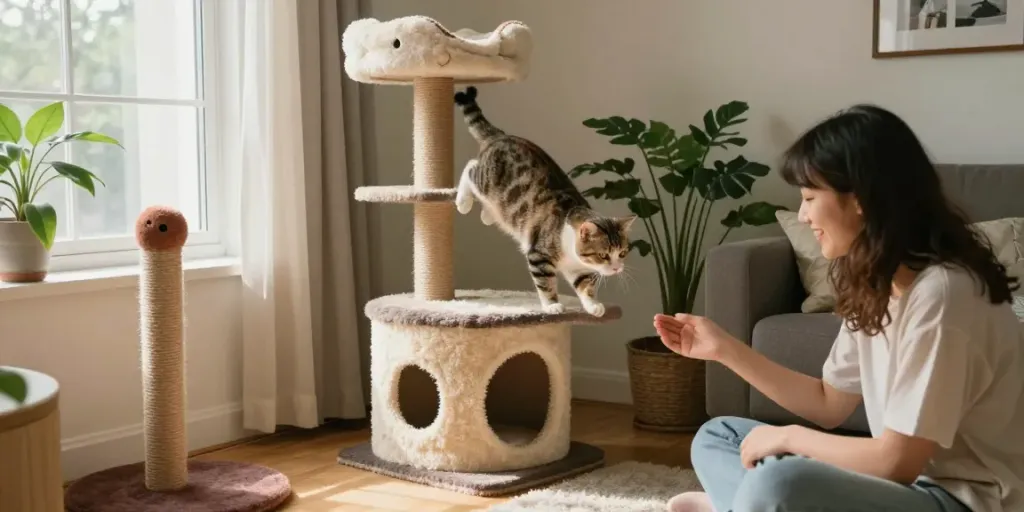
Understanding the Benefits of Cat Trees
Cat trees are not just luxurious playgrounds for our feline companions; they serve a critical role in their physical and mental well-being. For indoor cats, especially, a sturdy and engaging cat cat tree provides an outlet for their natural behaviours, allowing them to climb, scratch, and explore — activities that are essential for their health and happiness. A well-designed cat tree can significantly enhance the quality of life for your pet.
Why Cat Cat Trees are Essential for Indoor Cats?
Indoor cats often miss out on the environmental enrichment that outdoor cats experience. Cat trees offer vertical spaces that mimic the natural climbing behaviours of felines, which is vital for their physical health. By encouraging climbing, jumping, and lounging, these structures help prevent obesity and associated health issues, while also providing a safe space for your cat to feel secure and less stressed.
Enhancing Physical and Mental Stimulation
Physical stimulation through play is essential for maintaining a healthy weight and muscle tone in cats. Cat trees often incorporate various platforms, ramps, and hanging toys, which not only encourage physical activity but also stimulate mental engagement. Cats can exercise their hunting instincts as they jump and pounce on toys, all while enjoying the vantage point of a high perch.
Safety and Comfort for Your Feline Friends
A quality cat tree is designed with your pet's comfort and safety in mind. Features such as soft bedding and sturdy support structures ensure that your cat can lounge and play without fear of falling or injury. Moreover, the materials used can also contribute to a calming space that appeals to a cat’s need for a personal sanctuary.
Choosing the Right Cat Cat Tree
Selecting the right cat tree is crucial to meet both your and your cat's needs. Consider the size, style, and functionality that best suit your living space and your pet’s preferences.
Factors to Consider When Selecting a Cat Tree
When choosing a cat tree, consider your cat's size, age, and activity level. Kittens may require different structures compared to older cats, who might prefer lower platforms for easier access. Also, observe your cat’s behaviour; do they prefer high places or enclosed spaces? Your choice should reflect their inclinations to ensure they feel comfortable and engaged.
Understanding Different Materials and Designs
Cat trees can be made from various materials, including natural wood, pressed wood, or fabric-covered surfaces. Each material has its benefits; for example, solid wood is more durable and can withstand heavier cats, while fabric-covered options may offer softer lounging surfaces. Understanding these differences will help you choose a tree that will stand up to your cat’s lifestyle.
Size and Space Considerations in Your Home
Before purchasing a cat tree, assess the space available in your home. Measure the height and width of the area where you plan to place the tree, ensuring it fits comfortably without overwhelming the space. Additionally, consider positioning it near a window or a favourite resting spot to enhance its appeal.
Maintenance and Care for Cat Trees
To keep your cat's playground in top condition, regular maintenance is necessary. Proper care will extend the life of the cat tree and provide a safe environment for your pet.
Cleaning Essentials: Keeping Your Cat Tree Fresh
Regular cleaning is essential to maintain hygiene. Use a vacuum cleaner or a lint roller to remove hair, and wash removable covers according to the manufacturer's instructions. Spot-cleaning with pet-safe solutions can help remove stains and odours, ensuring your cat tree remains a pleasant place for your furry friend.
Regular Inspections for Safety Risks
Inspect the cat tree frequently for signs of wear and tear. Check for loose screws, frayed fabric, or unstable parts that may pose risks to your cat. Address any issues immediately to ensure safety.
Replacements and Upgrades: When to Invest Again
Over time, your cat tree may need to be replaced or upgraded, especially if it has sustained damage or if your cat’s needs have changed. If you notice that your cat is no longer using the tree, it may be time to shop for a new model that better suits their current preferences and activity levels.
Popular Cat Cat Tree Trends in 2026
The cat furniture market is constantly evolving, and 2026 brings exciting innovations designed to meet the needs of our feline friends.
Innovative Designs That Wow: What's New?
Contemporary cat trees now blend style with functionality. Designs feature modular pieces that can be rearranged or expanded, allowing pet owners to create a customised play space. Additionally, aesthetic designs are gaining popularity, with options that complement modern home decor while still serving as a play area for cats.
Eco-Friendly Options for Sustainable Cat Care
With growing awareness of environmental issues, many brands are now offering eco-friendly cat trees made from sustainable materials. These products not only reduce our carbon footprint but also provide a safe play area for your pets.
Combining Functionality with Aesthetics in Cat Furniture
Pet owners are increasingly looking for cat trees that are not only functional but also visually appealing. The latest designs incorporate sleek lines and natural colours, ensuring that they fit seamlessly into any home decor. Features like multi-level designs that resemble furniture rather than traditional cat trees are particularly popular.
Caring for Multiple Cats with Cat Trees
If you have multiple cats, having a suitable cat tree can foster a peaceful environment and encourage play. Understanding each cat’s personality is key to selecting the right tree.
How to Choose Cat Trees for Multi-Cat Households
For multi-cat families, opt for larger cat trees with multiple platforms and scratching posts to accommodate all your pets. Providing different levels and perches allows cats to establish their territory and reduces the likelihood of conflicts. Some designs even include ramps and tunnels that encourage interaction without direct confrontation.
Creating a Peaceful Space: Avoiding Conflicts
To minimise conflicts, place the cat tree in a common area where all cats feel comfortable. Ensure that every cat has access to their own space on the tree, which can help ease tensions and encourage them to play together rather than compete.
Encouraging Playtime and Interaction Among Cats
Interactive toys and features like dangling playthings can entice multiple cats to use the tree simultaneously. Engaging each cat with playtime routines can also help them develop social skills and bond with each other.
What size cat cat tree is best for my home?
The best size of a cat tree depends on the space you have available and the number of cats you own. A larger tree with multiple levels is ideal for households with several cats, whereas a smaller, more compact tree may be sufficient for one or two. Always measure your available space before making a purchase.
How to train my cat to use a cat cat tree?
Training your cat to use their new tree can be simple. Use treats or toys to entice them onto the platforms, rewarding them for exploring different areas. Patience is key; allow your cat to investigate at their own pace.
Can cat trees be used outdoors?
While many cat trees are designed for indoor use, there are outdoor models available. Ensure that the materials are weather-resistant if you plan to place the cat tree outside, and supervise your cats to keep them safe from potential dangers.
What materials should I look for in a cat tree?
When selecting a cat tree, look for durable materials that can withstand scratching and climbing. Solid wood and high-quality sisal rope are excellent choices. Avoid trees with cheap particle board that can splinter easily.
How often should I clean my cat cat tree?
Cat trees should be cleaned at least once a month, more frequently if your cat is particularly active or sheds a lot. Regular maintenance helps to keep the tree in good condition and ensures a hygienic environment for your pet.